How To Cream Butter and Sugar

This post may contain affiliate links. Please read our disclosure policy.
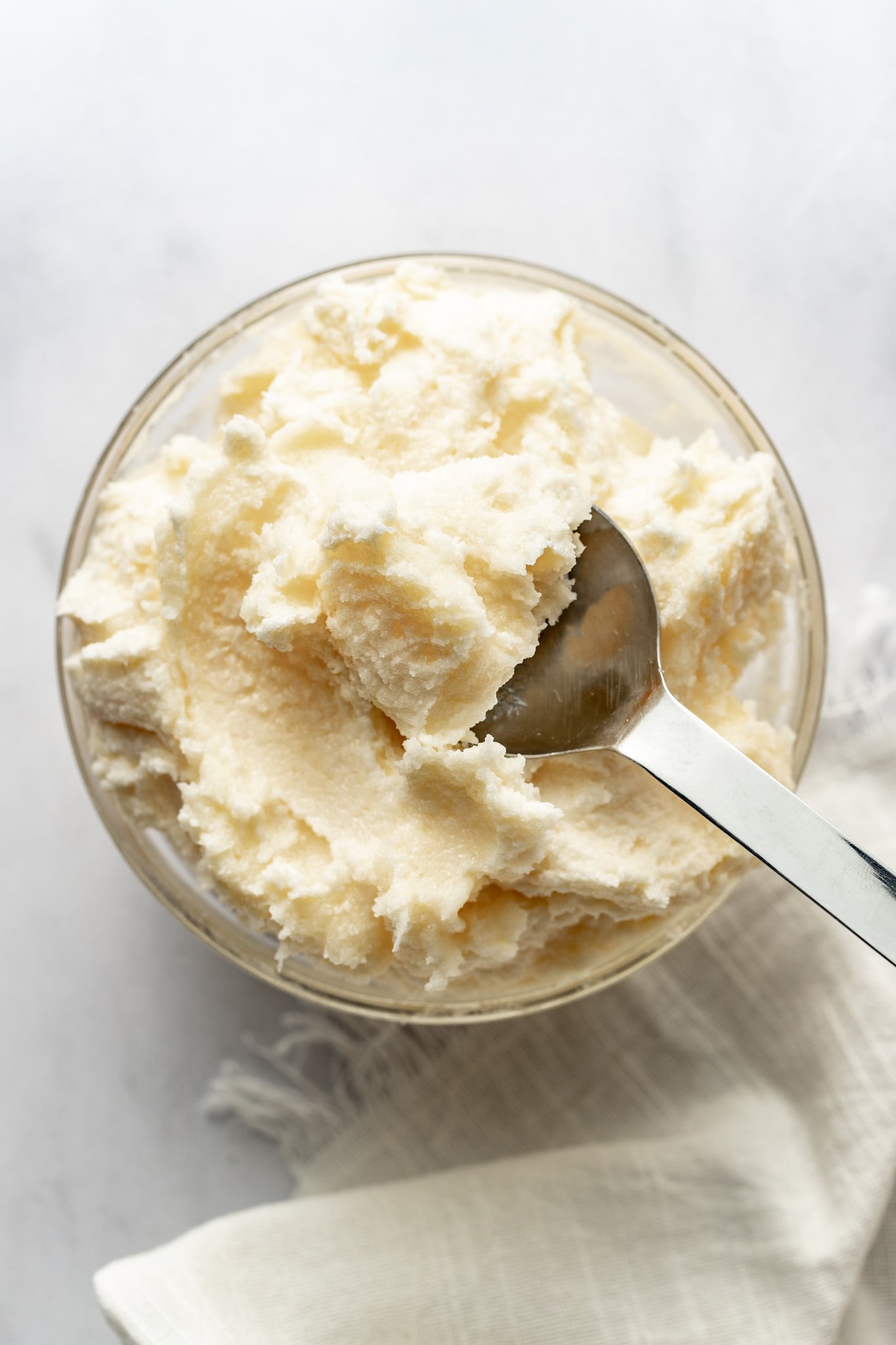
If you’ve ever wondered why some cookies turn out light, fluffy, and perfectly textured while others fall flat, the answer often starts with one simple technique: creaming butter and sugar. This foundational baking method is the secret behind many classic cookies, cakes, and bars, creating tiny air pockets that help baked goods rise and develop a soft, tender crumb.
The good news? Learning how to cream butter and sugar is incredibly easy once you know what to look for. In this guide, I’ll walk you through exactly how to do it, how long to mix, the best butter temperature to use, and common mistakes to avoid. Whether you’re baking chocolate chip cookies, snickerdoodles, or your favorite homemade cake, mastering this simple step will instantly improve your baking results.
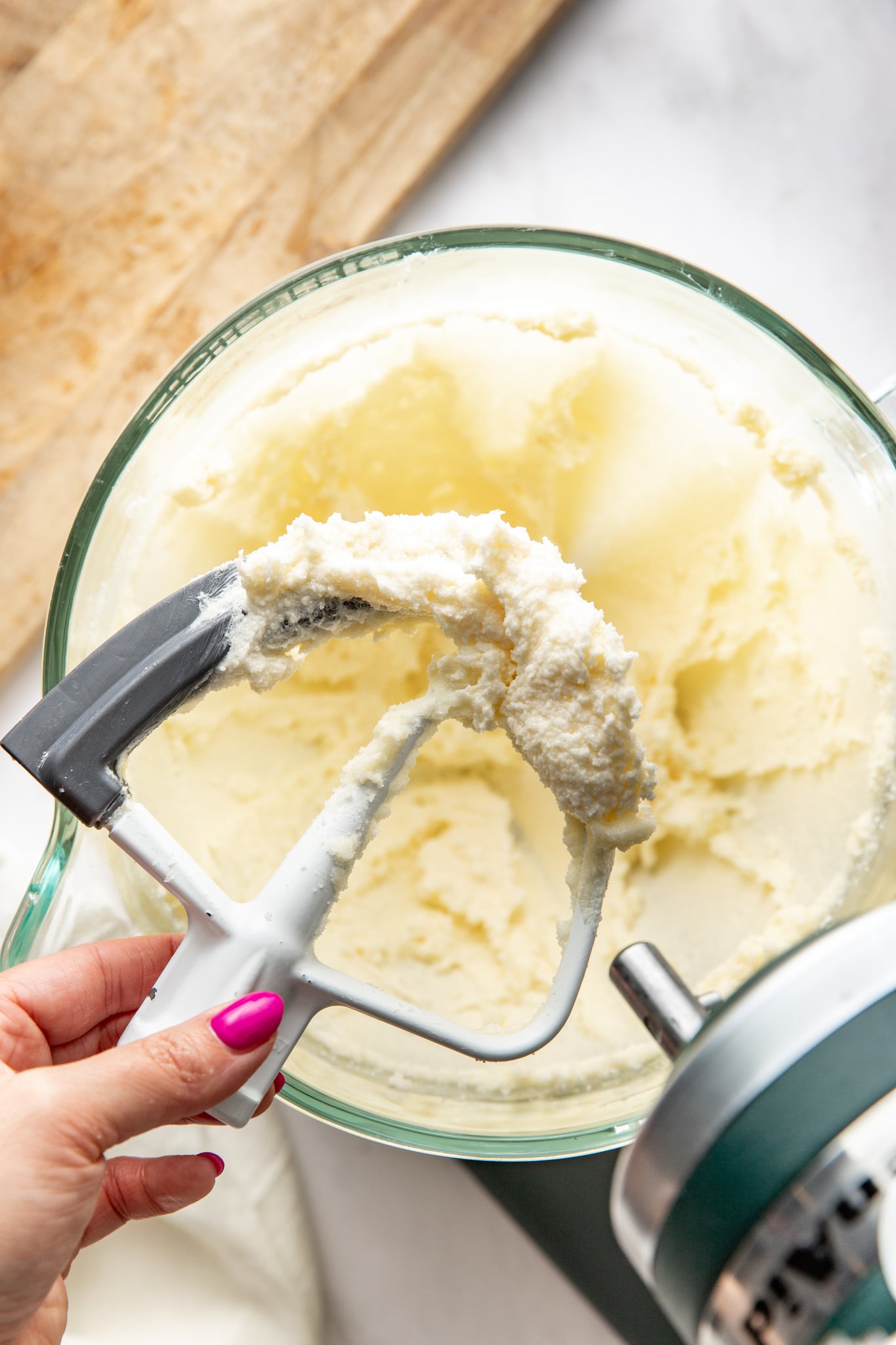

 Table Talk with Tawnie

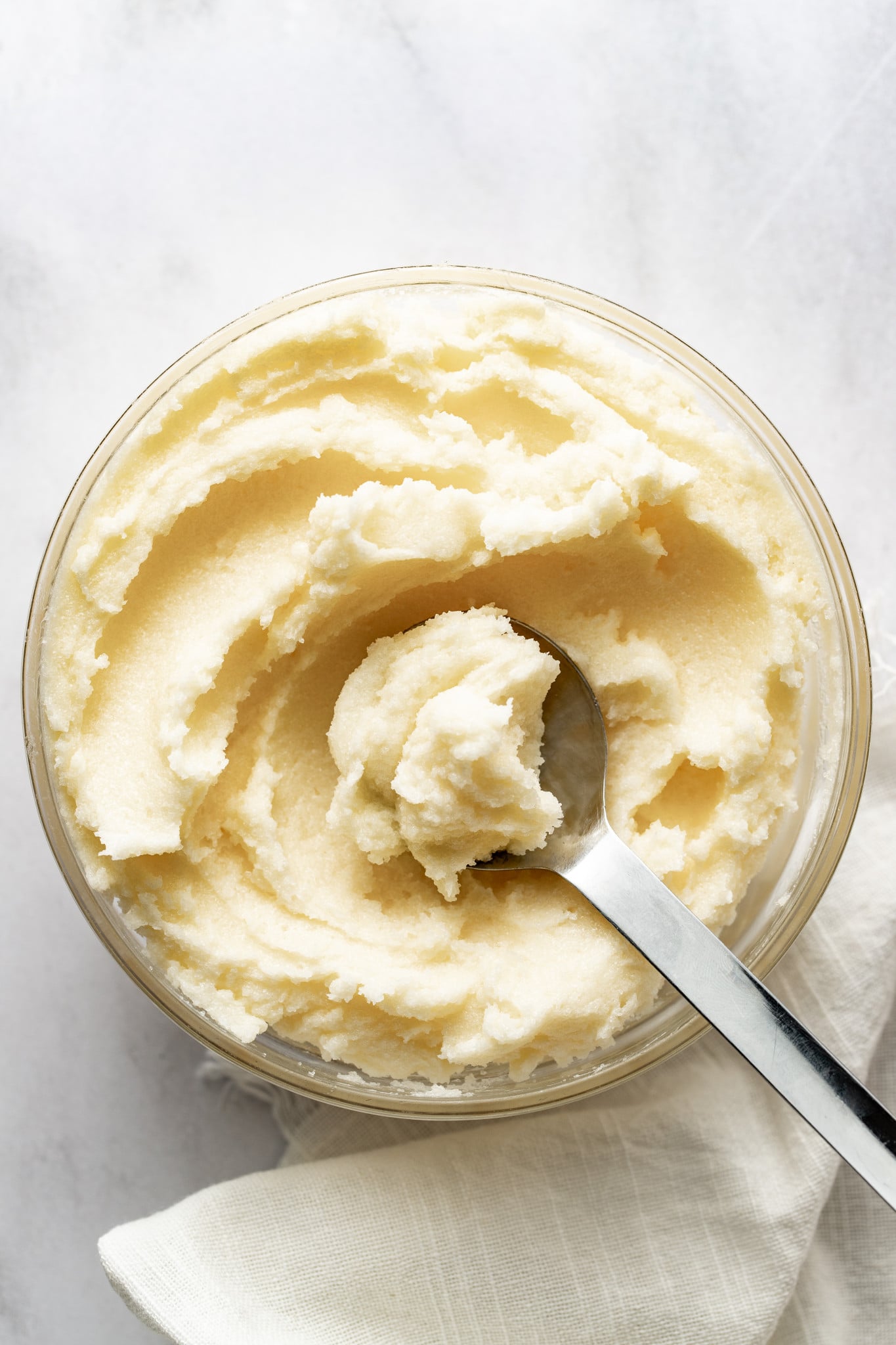
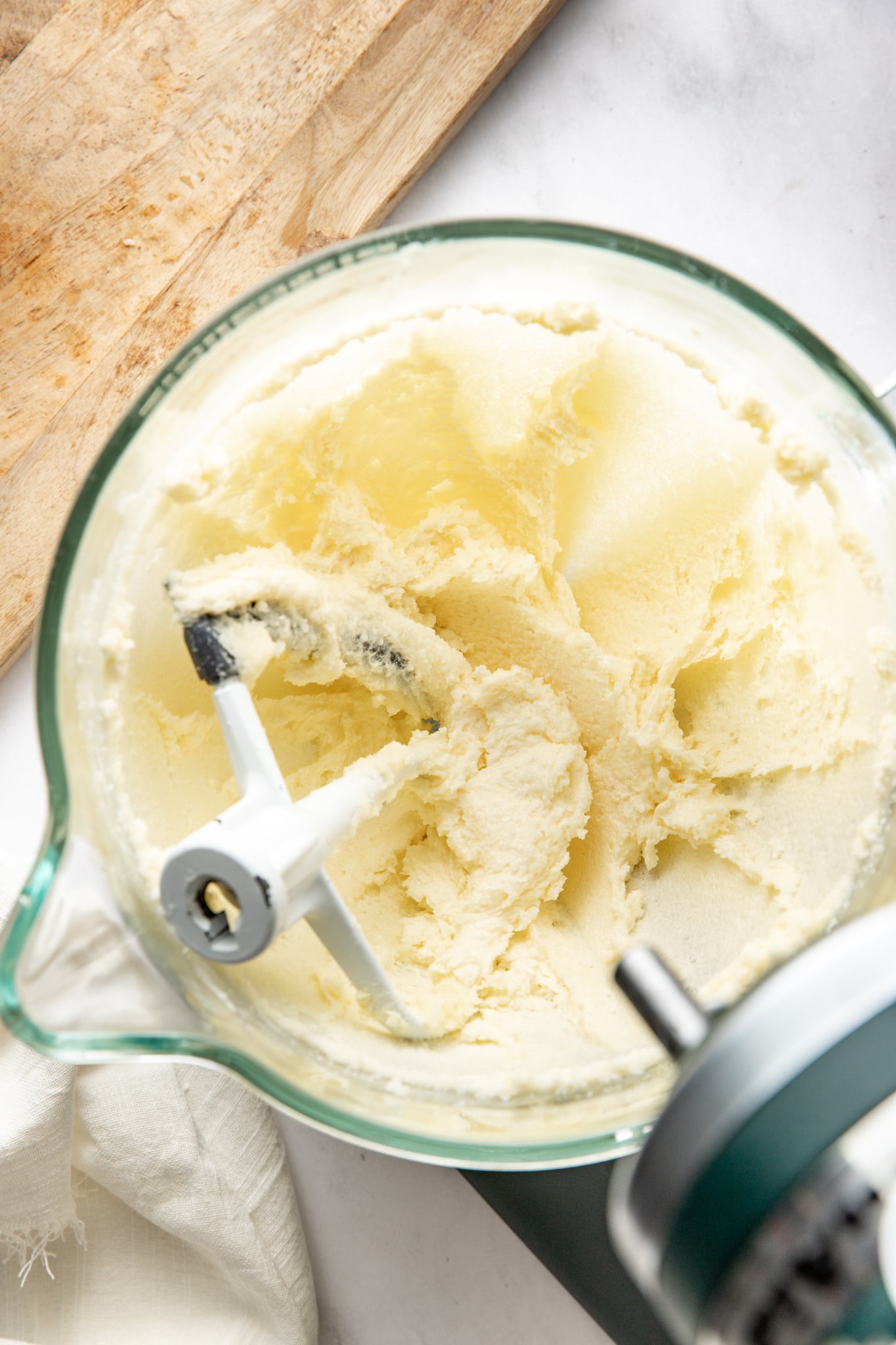
Now that you know how to soften butter and what softened butter looks like, you can properly cream butter and sugar. When I started getting ideas from followers on Instagram on what how-to posts everyone was interested in, how to cream butter and sugar came up A LOT. It’s one of those baking steps that seems simple enough, but if not done properly, can really change the end results of your baked good. For most of my cookie recipes, I cream the butter and sugar on medium speed for about 2-3 minutes. You’re looking for visual cues more than a specific time, so be sure to check out the photos and video for visuals to help you along your baking journey!
How-To Guides & Tutorials
Master essential kitchen skills with these helpful how-to guides featuring step-by-step posts for everyday cooking basics like boiling eggs, cutting onions, caramelizing onions, and more. Perfect for beginner cooks or anyone looking to build confidence in the kitchen.
What You’ll Need
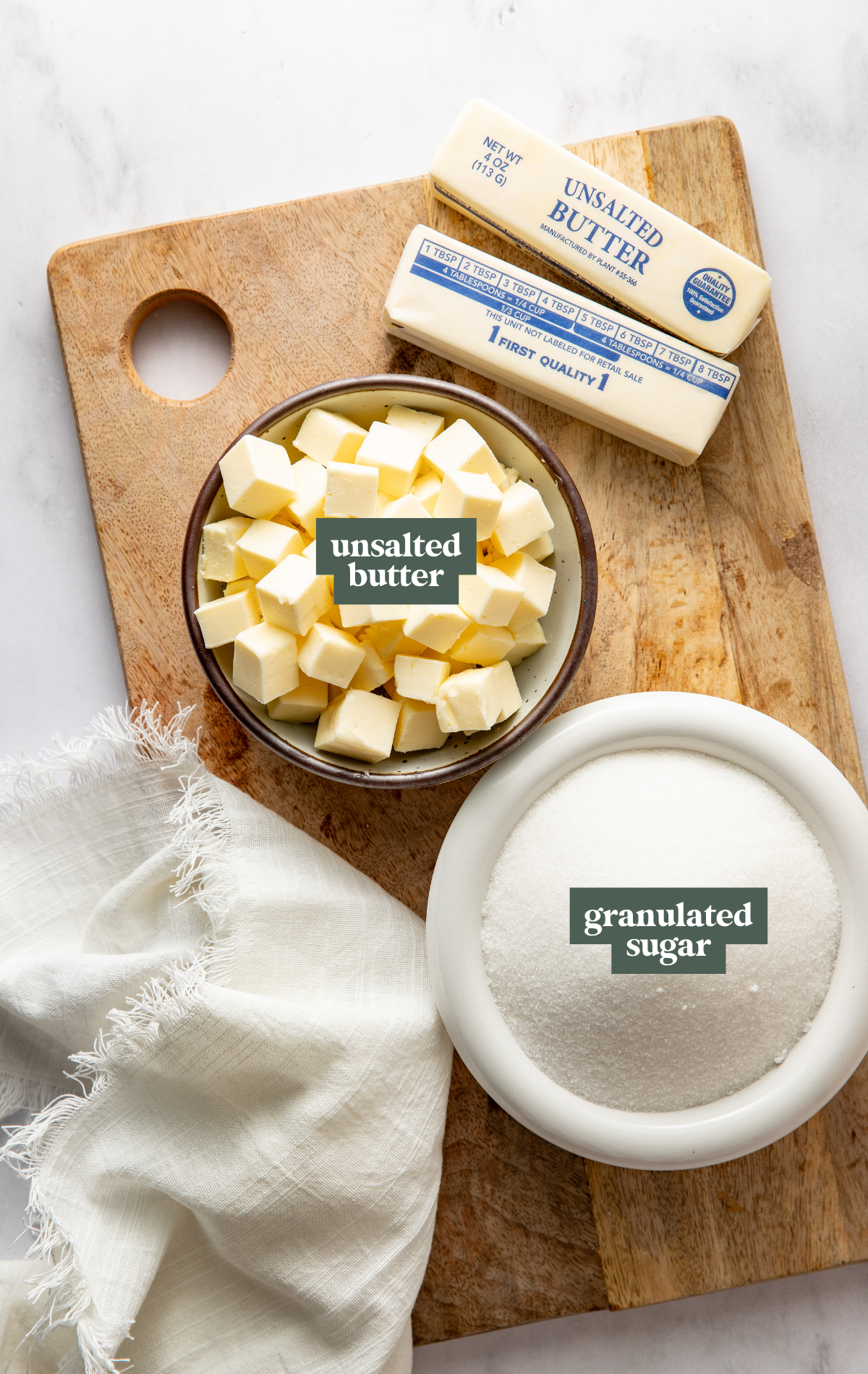
- Butter: Softened butter is essential for proper creaming. It should be cool to the touch but easily indented when pressed with your finger. If you forgot to set your butter out ahead of time, check out my guide on 6 easy ways to soften butter fast!
- Sugar: The type of sugar used will vary depending on the recipe. Some recipes call for granulated sugar, while others use brown sugar or a combination of both. Each type contributes a different flavor and texture to the finished baked good.
- Stand mixer: A stand mixer fitted with the paddle attachment makes creaming butter and sugar quick and effortless. A hand mixer works well too, just be prepared to mix for a few extra minutes to achieve the same light and fluffy texture.
Step by Step Directions
(For the full recipe, scroll down to the recipe card below)
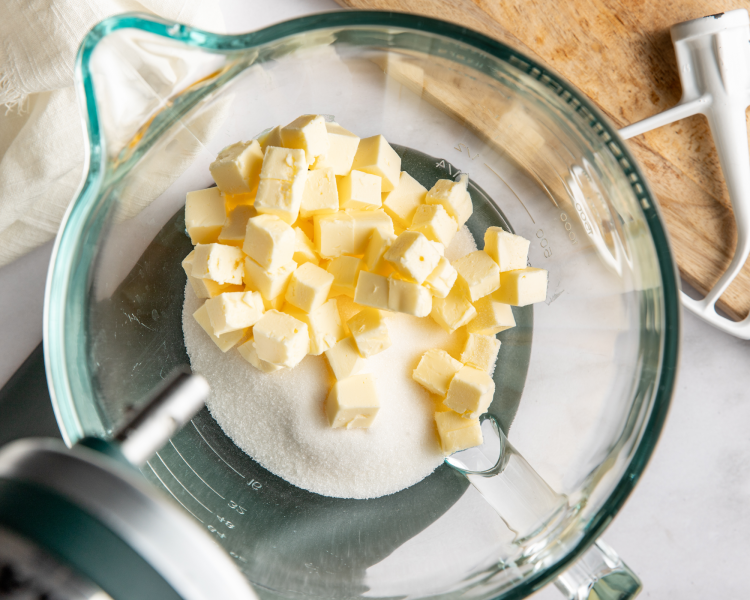
Add butter and sugar to stand mixer
Add the softened butter and sugar to the bowl of a stand mixer.
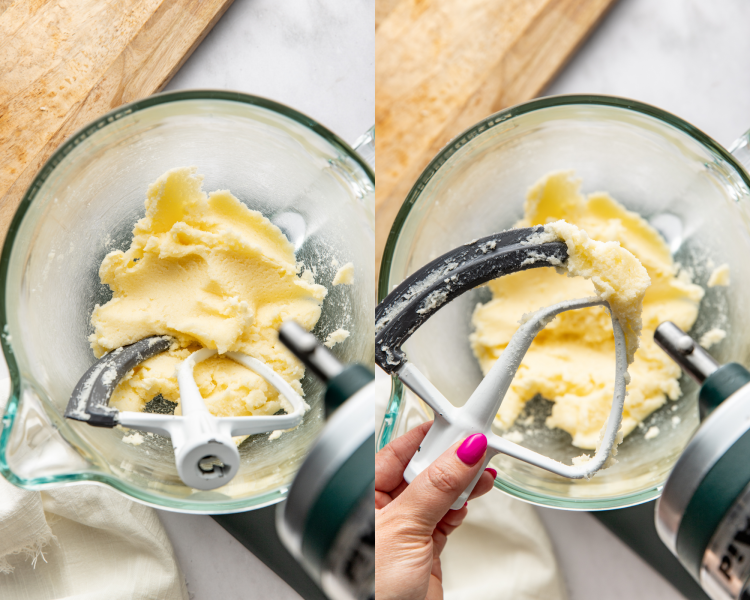
Beat butter and sugar
Beat the softened butter and sugar(s) together on medium speed.
Scrape down the bowl
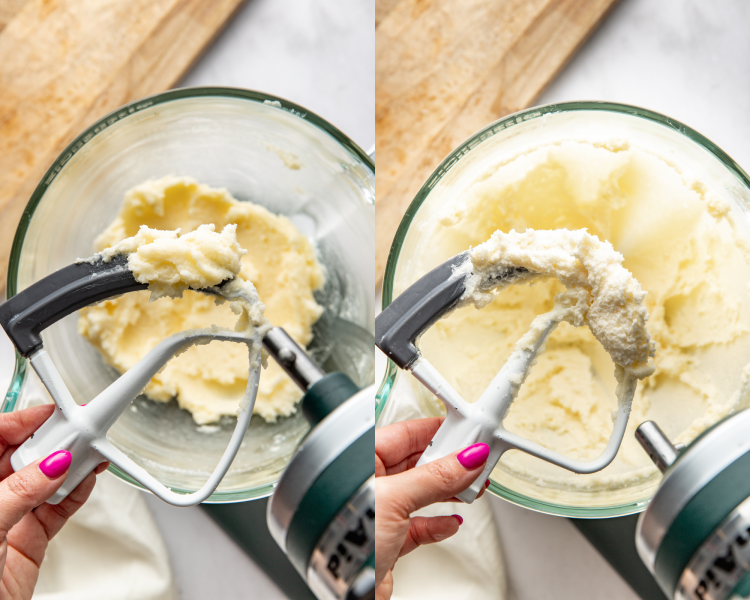
Scrape down the bowl halfway through mixing and keep beating until the mixture becomes pale in color, fluffy in texture, and increases slightly in volume.
Use creamed butter!
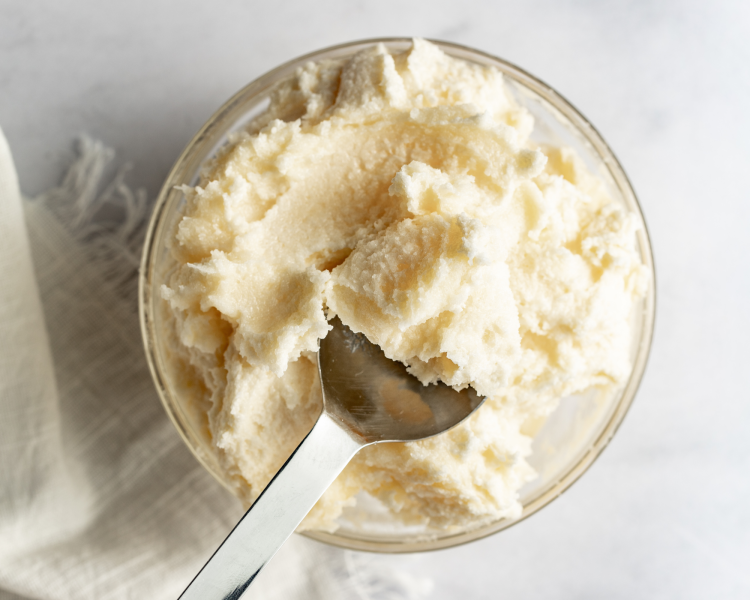
Once your butter becomes light and airy, stop the mixer. Use your creamed butter and sugar as the recipe directs and enjoy!
Expert Tips
- Start with properly softened butter: Butter that is too cold won’t incorporate enough air, while butter that is too warm can become greasy and won’t hold air pockets. It should give slightly when pressed but still feel cool to the touch.
- Adjust based on recipe: Different recipes may call for varying amounts of butter, sugar, and mixing time. As a general rule, cream the mixture for 2–4 minutes, depending on your mixer and recipe.
- Scrape down the bowl frequently: Butter tends to stick to the sides and bottom of the bowl. Stop once or twice during mixing to scrape everything down so the mixture creams evenly.
- Watch for visual cues, not just the clock: The exact mixing time can vary based on the type of mixer, butter temperature, and quantity being mixed. Look for a lighter color and fluffy texture rather than relying solely on time.
- Don’t over-cream: It’s possible to incorporate too much air into the butter. Over-creamed butter and sugar can cause cookies to spread too much or cakes to collapse. Stop mixing once the mixture looks pale, fluffy, and slightly increased in volume.
How to Tell if Butter and Sugar Are Properly Creamed
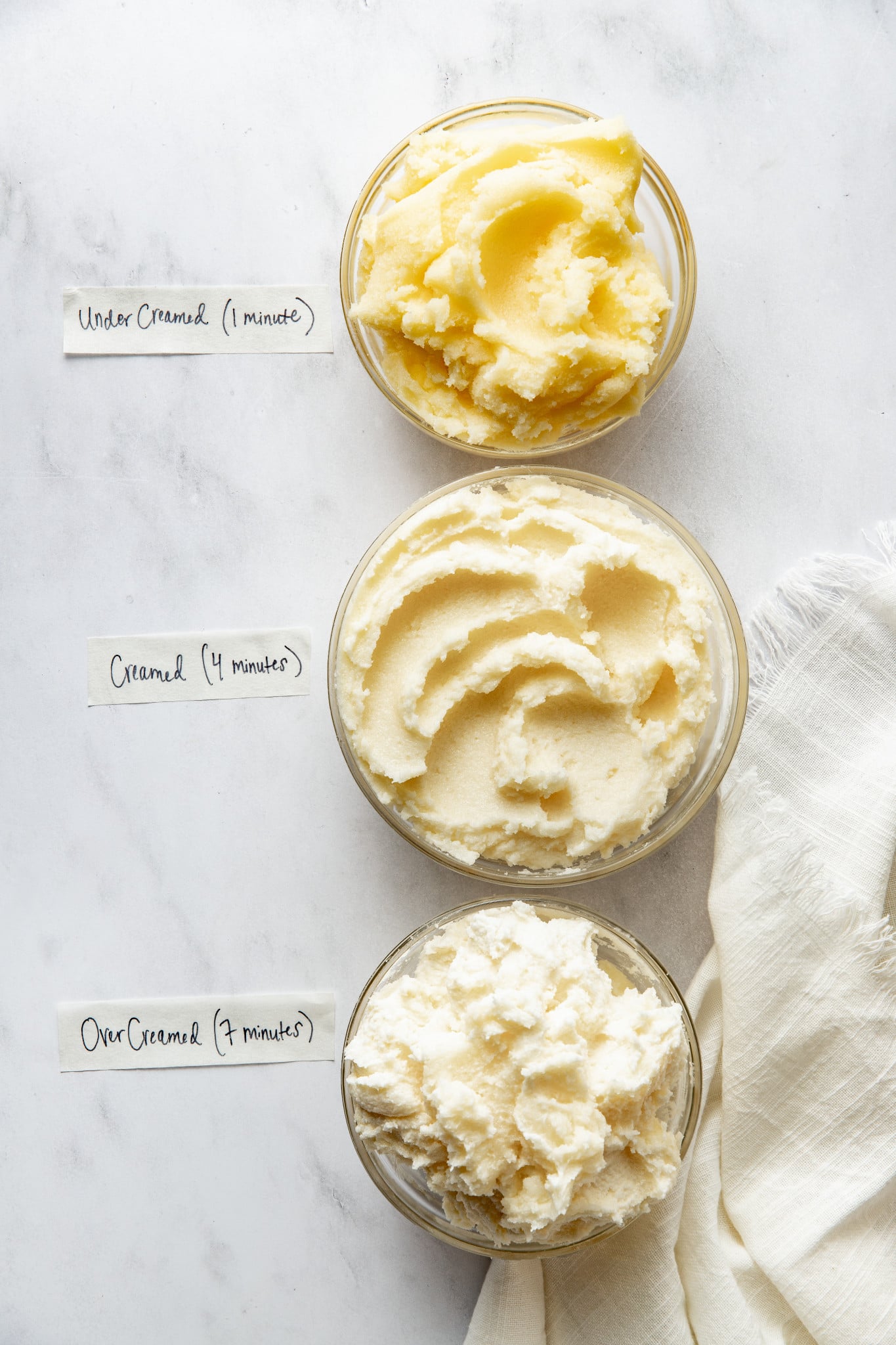
- Under-creamed: The mixture will look dense, grainy, and heavy, almost like wet sand. It will be darker in color and won’t have much volume.
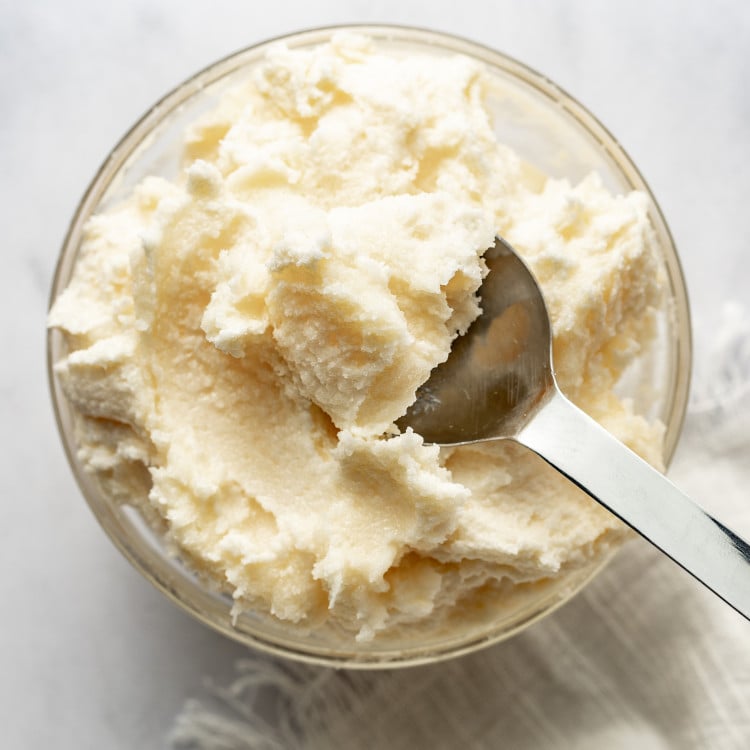
- Perfectly creamed: The mixture will be pale yellow, light, and fluffy with a soft, peanut butter-like texture. It should look noticeably larger in volume than when you started.
- Over-creamed: The mixture will appear very pale, almost white, and overly fluffy or whipped. It may look airy and soft but can negatively affect the texture of your baked goods.
FAQ
Creaming butter and sugar creates tiny air pockets in the butter. These air pockets help give cookies, cakes, and other baked goods a lighter texture and better rise during baking.
Yes, but it will take significantly more effort and time. A sturdy wooden spoon or spatula can work, but a hand mixer or stand mixer will produce the best results and incorporate more air into the mixture.
Cold butter won’t trap air properly, making it difficult to achieve a light and fluffy texture. The mixture may remain lumpy and dense, which can affect the final texture of your baked goods.
Butter that is too warm can’t hold the air pockets created during creaming. This can lead to dense cakes, flat cookies, and greasy dough. If your butter looks shiny or partially melted, it’s best to chill it slightly before using.
shop this post
 Buy Now →
  Buy Now →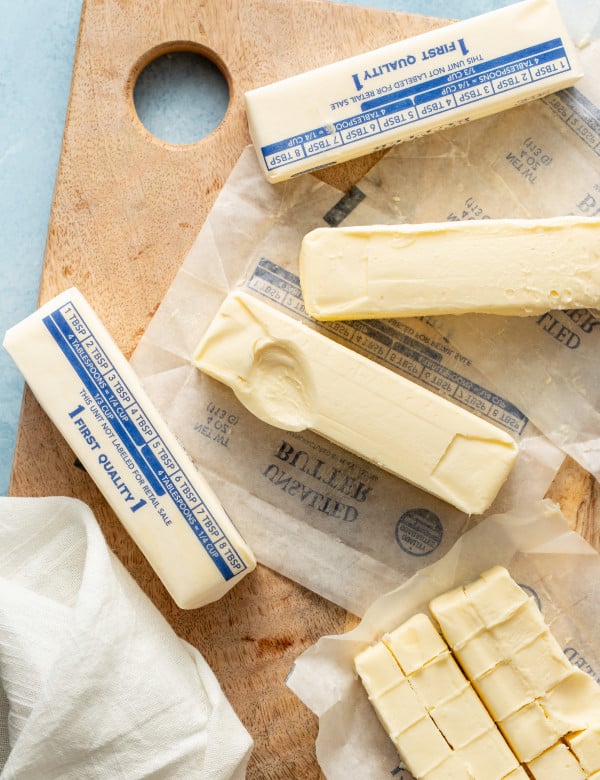
Before You Begin! If you make this, please leave a review and rating letting us know how you liked this recipe! This helps our business thrive & continue providing free recipes.
How To Cream Butter and Sugar
Ingredients
- Butter (softened)
- Sugar (type of sugar(s) will depend on specific recipe you're following)

Last step! If you make this, please leave a review and rating letting us know how you liked this recipe! This helps our business thrive & continue providing free recipes.
Instructions
- Add to bowl: Add the softened butter and granulated sugar to the bowl of a stand mixer.Butter, Sugar

- Beat: Beat the softened butter and sugar(s) together on medium speed for 2-4 minutes (depending on batch size). Start Timer
- Scrape and continue: Scrape down the bowl halfway through mixing and keep beating until the mixture becomes pale in color, fluffy in texture, and increases slightly in volume.
- Use: Once your butter becomes light and airy, stop the mixer. Use your creamed butter and sugar as the recipe directs and enjoy!
Equipment
Notes
- What you’re looking for: The mixture should become pale in color, fluffy in texture, and increase slightly in volume.
- Be careful not to overmix: you want it light and airy, not white and whipped. Scrape down the bowl halfway through mixing.
- If it’s under-creamed, it will look dense and heavy, similar to wet sand.
- The perfectly creamed texture will look noticeably lighter in color (pale yellow is what you’re looking for) and fluffy like peanut butter.
- If over-creamed, it will look very pale, almost white in color, and too fluffy/whipped.
Nutritional information is provided as a courtesy and is automatically calculated. It should only be construed as an estimate rather than a guarantee. Ingredients can vary and Kroll’s Korner can’t make any guarantees to the accuracy of this information.
📸 Photos by Megan McKeehan of The Broke Girl Table